A Parent’s Checklist for Choosing Safe, Age-Appropriate Assembling Toys
- pbox5327
- Nov 26, 2025
- 3 min read

Choosing the right assembling toys for your child is more than picking a fun playset, it’s about supporting their growth, development and safety. Assembling toys encourage problem-solving, creativity, and fine motor skills. However, not all toys are suitable for every age, and parents must be mindful of materials, complexity, and developmental benefits. Here’s a practical checklist to help you select age-appropriate, safe, and engaging assembling toys for your little ones.
1. Consider Your Child’s Age and Development Stage
Every stage of childhood comes with unique abilities and challenges. Selecting a toy that matches your child’s development ensures they are both safe and engaged.
1–2 years: Large, simple pieces for grasping and stacking. Safety is key, avoid small parts that can be swallowed.
2–3 years: Toys that encourage basic assembling, sorting, and shape recognition.
4–5 years: Sets with more pieces and slightly complex patterns to enhance creativity and spatial reasoning.
6+ years: Advanced construction kits, STEM-focused sets, and intricate designs to challenge problem-solving skills.
Matching toys to developmental stages encourages learning while keeping playtime safe and fun.
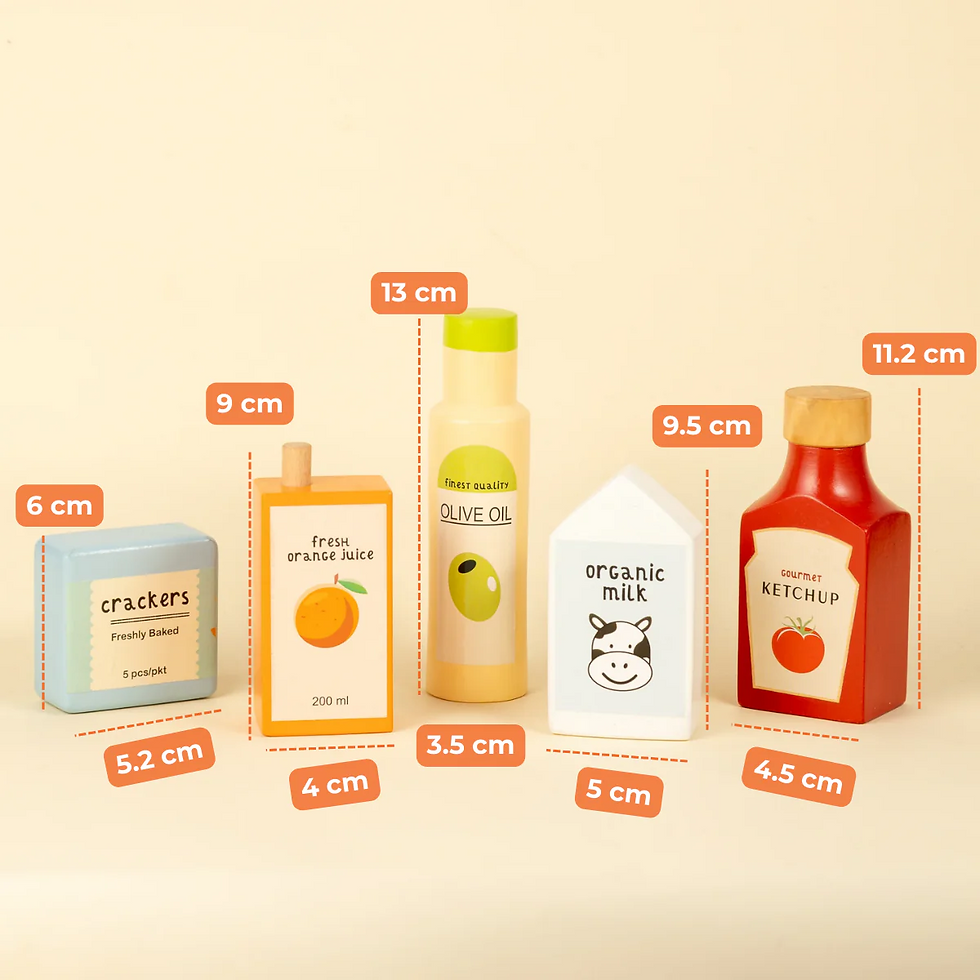
2. Why Woods Are Better Assembling Toys for kids?
For toddlers aged 2–3, wooden toys are often the safest and most effective option. They provide a perfect combination of durability, safety, and sensory experience.
Safety: Wooden toys are less likely to break into sharp or tiny pieces that could pose choking hazards.
Durability: Toddlers can be rough with toys, and wood withstands drops, bites, and frequent handling better than plastic.
Natural Texture: The tactile experience of wood is gentle on tiny hands, supporting sensory development.
Eco-Friendly: Many wooden toys are sustainably made and free from harmful chemicals, which is safer for children who often put toys in their mouths.
Developmental Benefits: Simple wooden blocks or assembling kits help toddlers improve fine motor skills, hand-eye coordination, and early problem-solving while being safe and engaging.
Wooden toys give toddlers a safe, tactile, and educational play experience that grows with them.
3. Check for Safety Standards
Safety is the foundation of any toy choice. Even the most entertaining toy can be hazardous if it doesn’t meet proper safety standards.
Look for toys which ensures they meet safety standards.
Avoid toys with small parts for children under three.
Check for smooth edges, non-toxic paints, and finishes.
Be cautious of toys with detachable magnets or batteries that toddlers can access.
Ensuring toys are certified and free from hazards gives parents peace of mind while children explore and play.
4. Look for Educational Value
Assembling toys are more than entertainment, they’re tools for learning. Toys that integrate educational elements help children develop critical skills while having fun.
Promote creativity and imagination through building and designing.
Encourage problem-solving and planning.
Develop spatial reasoning with shapes, colors, and patterns.
Support social skills if used in group play or family activities.
Choosing educational toys turns playtime into meaningful development opportunities for young minds.
5. Match Complexity to Interest and Patience Levels
Even age-appropriate toys should consider your child’s attention span and skill level. Choosing the right level of challenge prevents frustration and encourages persistence.
Start simple and gradually introduce complexity.
Observe how your child interacts with toys and adjust the difficulty accordingly.
Rotating toys regularly keeps interest high without overwhelming the child.
By balancing challenge and engagement, children remain motivated and confident while learning.
6. Choose Durable, Easy-to-Clean Materials
Durable toys last longer, but hygiene is equally important. Parents often neglect cleaning toys after use, which can lead to bacteria buildup and health hazards, especially for toddlers who put toys in their mouths.
Look for sturdy plastics, wood, or silicone that resist breaking.
Toys that are washable or easy to wipe clean help maintain hygiene.
High-quality construction ensures toys can survive rough handling while remaining safe.
Selecting durable, easy-to-clean toys keeps play safe, healthy, and stress-free for both parents and children.
Conclusion
Choosing safe, age-appropriate assembling toys is a thoughtful investment in your child’s growth, creativity, and motor development. Start with wooden toys for toddlers aged 2–3, check for certified safety standards, and focus on educational value while matching complexity to your child’s abilities. Don’t forget hygiene, cleaning toys regularly is just as important as choosing them. By carefully selecting toys that balance fun, learning, and safety, you can provide your child with countless hours of productive, imaginative play.


Comments